

A cooker hood is an essential appliance in modern kitchens, especially in Singapore, where cooking often involves frying, grilling, and high-heat methods that produce smoke, grease, and strong odours. Without proper ventilation, these by-products can accumulate, affecting indoor air quality, staining surfaces, and creating an uncomfortable cooking environment. When selecting a cooker hood in Singapore, homeowners should consider factors such as suction power, noise levels, and kitchen layout to ensure optimal performance. Choosing the right cooker hood ensures a cleaner, healthier, and more pleasant kitchen space.
With various models and features available, selecting the right cooker hood requires understanding your kitchen layout, cooking habits, and ventilation needs. A well-chosen unit not only improves air quality but also enhances the overall functionality and design of your kitchen.
Types of Cooker Hoods
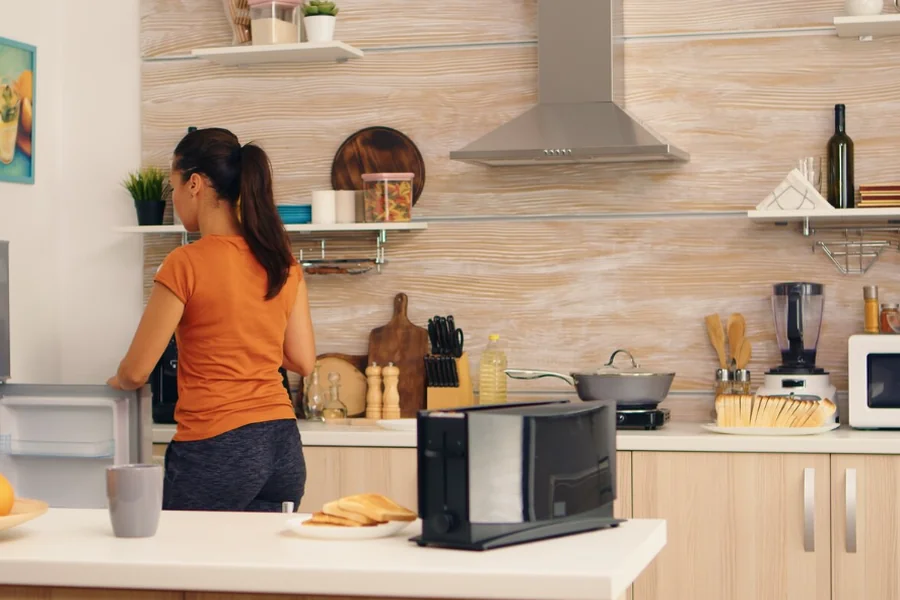
Cooker hoods come in several types, each suited to different kitchen configurations. Chimney hoods are among the most common, mounted on the wall above the cooking area and designed for efficient smoke extraction. They are ideal for larger kitchens and heavy cooking.
Slim or under-cabinet hoods are compact and installed beneath kitchen cabinets, making them suitable for smaller spaces. They offer a more discreet appearance while still providing adequate ventilation for light to moderate cooking.
Island hoods are designed for kitchens with island cooktops. Suspended from the ceiling, they provide powerful ventilation and serve as a striking design feature.
Downdraft hoods are built into the countertop and rise when needed, offering a minimalist solution for modern kitchens. While stylish, they may be less powerful compared to traditional hood designs.
Extraction vs Recirculation
Cooker hoods operate using either extraction or recirculation methods. Extraction hoods remove air from the kitchen and vent it outside through ducting. This is the most effective method for eliminating smoke, grease, and odours, making it ideal for households that cook frequently.
Recirculation hoods, on the other hand, filter the air and release it back into the kitchen. These are easier to install, especially in apartments where ducting may not be possible. However, they require regular filter replacement to maintain performance.
Choosing between these options depends on your kitchen setup and the level of cooking activity.
Suction Power and Performance
Suction power is a critical factor when selecting a cooker hood. Measured in cubic metres per hour (m³/h), higher suction power ensures more efficient removal of smoke and odours.
For Singapore households that frequently cook with oil and spices, a hood with strong suction is recommended. Larger kitchens or open-concept layouts may also require higher-capacity models to maintain effective ventilation.
Balancing power with noise levels is important. Some high-performance hoods may produce more noise, so selecting a model with quiet operation features can improve comfort during use.
Filters and Maintenance
Cooker hoods rely on filters to trap grease and impurities. Common types include aluminium mesh filters and charcoal filters. Aluminium filters are reusable and can be cleaned regularly, while charcoal filters are typically used in recirculating hoods and need periodic replacement.
Easy maintenance is essential for long-term performance. Look for hoods with removable and dishwasher-safe filters, as well as accessible components that simplify cleaning. Regular maintenance ensures efficient operation and prolongs the lifespan of the appliance.
Design and Integration
In Singapore’s modern homes, kitchen aesthetics are an important consideration. Cooker hoods are available in various designs, from sleek stainless steel to glass and minimalist finishes. Choosing a hood that complements your kitchen style enhances the overall look of the space.
Integration with cabinetry and other appliances creates a cohesive design. Features such as touch controls, LED lighting, and slim profiles contribute to both functionality and visual appeal.
Energy Efficiency and Safety
Energy-efficient cooker hoods help reduce electricity consumption while maintaining performance. LED lighting, efficient motors, and smart sensors contribute to lower energy usage.
Safety features such as automatic shut-off, heat sensors, and durable materials ensure reliable operation. Proper installation is also crucial to prevent issues and maximise efficiency.
Conclusion
Choosing the right cooker hood in Singapore involves evaluating factors such as type, suction power, filtration system, and design. A well-selected hood improves air quality, enhances comfort, and protects your kitchen from grease and odours.
By understanding your cooking habits and kitchen layout, you can select a cooker hood that meets your needs while complementing your home’s design. Investing in a high-quality ventilation system ensures a cleaner, healthier, and more enjoyable cooking environment.
FAQs
What is the difference between extraction and recirculation hoods?
Extraction hoods vent air outside, while recirculation hoods filter and reuse the air indoors.
How much suction power do I need?
It depends on your cooking habits and kitchen size, but higher power is recommended for heavy cooking.
How often should I clean the cooker hood filters?
Aluminium filters should be cleaned regularly, while charcoal filters need periodic replacement.
Are cooker hoods noisy?
Noise levels vary by model, but many modern hoods are designed for quieter operation.