

In modern Singaporean homes, kitchens are often open-concept or integrated with dining and living areas. While this design creates a spacious feel, it also makes proper ventilation crucial. Many homeowners choose to shop kitchen hood in Singapore to find models that effectively manage smoke, grease, and odours while complementing their kitchen design. Cooking releases smoke, grease, steam, and odours that can linger and spread, affecting both comfort and indoor air quality. A kitchen hood is an essential appliance that addresses these challenges, ensuring a cleaner, healthier, and more pleasant cooking environment.
Upgrading to a high-quality kitchen hood is more than just a functional choice; it also contributes to the overall design and efficiency of your kitchen. Understanding the features, installation requirements, and benefits can help you make an informed decision.
Importance of Proper Kitchen Ventilation
Kitchen ventilation is critical for maintaining indoor air quality. Without adequate airflow, smoke and odours can accumulate, creating discomfort and even posing health risks over time. Cooking activities, especially frying or grilling, release airborne particles that may contribute to respiratory irritation or allergies.
A kitchen hood removes these particles efficiently, preventing them from spreading to living areas. It also helps control humidity and excess heat, creating a more comfortable environment for cooking and dining.
Types of Kitchen Hoods
When choosing a kitchen hood in Singapore, there are several types to consider:
- Chimney Hoods: Mounted on the wall above the cooking surface, chimney hoods are ideal for high-intensity cooking. They are effective at capturing smoke and grease while adding a sleek, modern look to the kitchen.
- Under-Cabinet Hoods: Installed beneath kitchen cabinets, these hoods save space and are suitable for compact kitchens. They provide sufficient ventilation for everyday cooking without being intrusive.
- Island Hoods: Designed for island cooktops, these hoods hang from the ceiling and offer powerful extraction. They are often used in open-concept kitchens where aesthetic appeal is important.
- Downdraft Hoods: Integrated into the countertop, downdraft hoods rise when needed and retract when not in use. They are minimalist and suitable for kitchens where wall or ceiling space is limited.
Extraction vs Recirculation
Kitchen hoods operate using either extraction or recirculation methods.
- Extraction Hoods: These vent air outside the home through ducting, removing smoke, grease, and odours completely. They are highly effective but require proper installation and space for ductwork.
- Recirculation Hoods: These filter and clean the air before releasing it back into the kitchen. They are easier to install and suitable for apartments or HDB flats where ducting is not feasible. However, they require regular filter replacement to maintain efficiency.
Key Features to Consider
When upgrading your kitchen hood, consider features such as suction power, noise levels, and energy efficiency. Suction power, measured in cubic metres per hour (m³/h), determines how effectively the hood removes smoke and odours. Higher suction power is recommended for homes that cook frequently or use high-heat methods.
Noise levels are also important, particularly in open-concept homes. Modern hoods offer quieter operation, multiple fan speeds, and adjustable settings to balance performance and comfort.
Energy-efficient models help reduce electricity costs while maintaining effective ventilation. Features like LED lighting, touch controls, and programmable timers enhance usability and convenience.
Design and Aesthetic Considerations
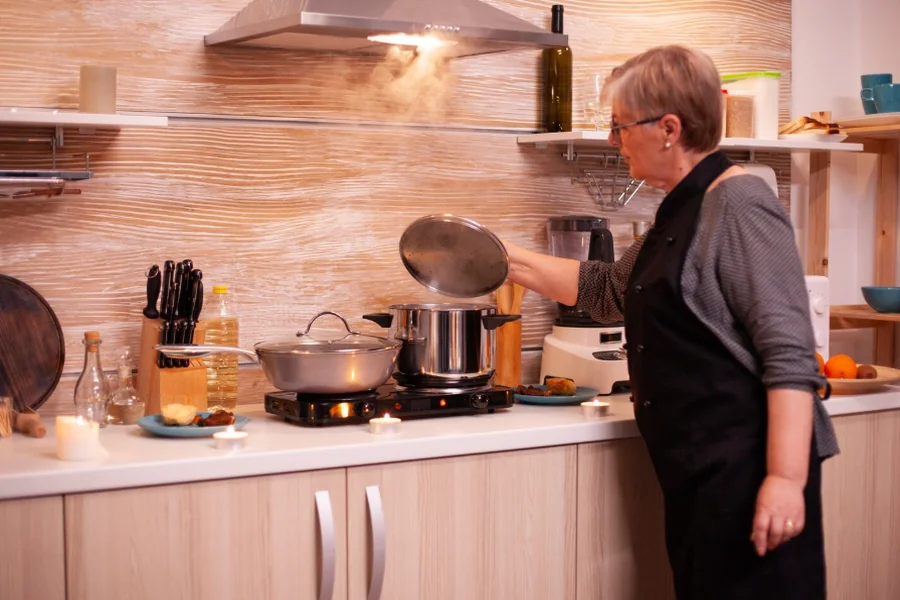
In Singapore, kitchen design plays a significant role in appliance selection. A kitchen hood should complement cabinetry, countertops, and other appliances. Sleek stainless steel, glass finishes, and minimalist designs are popular choices for contemporary kitchens.
Proper placement at the right height above the cooktop ensures optimal performance while maintaining safety. Integration with other appliances, such as built-in ovens or microwaves, creates a cohesive and modern look.
Maintenance and Longevity
Regular maintenance ensures that your kitchen hood continues to perform effectively. Cleaning or replacing filters, wiping down surfaces, and checking ventilation ducts are essential tasks. Many modern hoods feature removable, dishwasher-safe filters to simplify maintenance.
By keeping the hood clean, you prevent grease buildup, maintain air quality, and extend the lifespan of the appliance.
Conclusion
A kitchen hood is a smart upgrade for any home in Singapore, offering cleaner air, reduced odours, and improved comfort while cooking. By considering the type, suction power, energy efficiency, and design, homeowners can choose a hood that meets their needs and complements their kitchen layout.
Investing in a quality kitchen hood not only enhances daily cooking experiences but also contributes to the overall hygiene, safety, and aesthetics of the home. For modern kitchens, it is an indispensable appliance that ensures both functionality and style.
FAQs
Do I need a ducted kitchen hood?
Ducted hoods are more effective at removing smoke and odours but require proper installation.
Can a recirculating hood be effective?
Yes, with proper filter maintenance, it can reduce odours and grease, though not as efficiently as ducted models.
How high should a kitchen hood be installed?
Typically, 65–75 cm above the cooktop ensures optimal smoke extraction and safety.
How often should I clean the filters?
Clean filters every few weeks, or as recommended by the manufacturer, to maintain performance.